Oil dive increases importance of trading, says Statoil
Asset-based trading seen as crucial in environment of lower oil prices
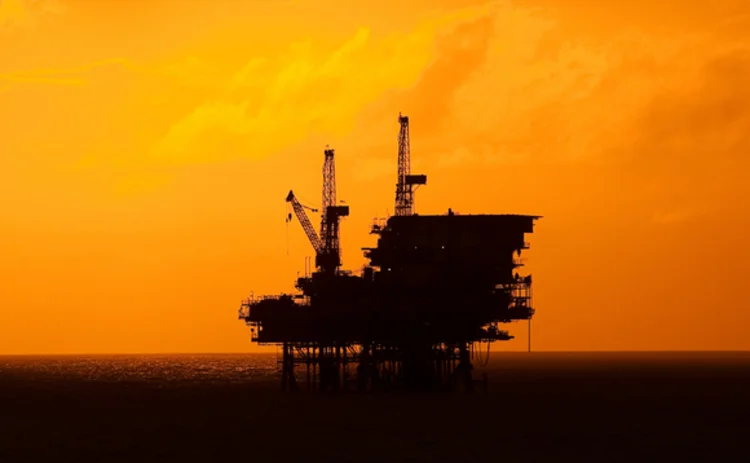
The recent plunge in oil prices is increasing the need for upstream firms to have trading activities that take advantage of the flexibility afforded by physical assets, said Rune Bjørnson, senior vice-president of global sales, marketing and trading at Norwegian oil firm Statoil.
Bjørnson’s comments came at a presentation to International Petroleum Week in London on February 10, during which he laid bare the challenge posed by crude oil prices. These have declined sharply since their previous
More on Oil & refined products
AI boom turns Morgan Stanley into a hot commodity
Talking Heads 2026: Data centres need long-dated power and gas hedges that only a big bank can provide
Oil and products house of the year: Macquarie Group
Energy Risk Awards 2026: Bank’s physical oil capabilities allow it to create vital flexibilities for clients facing tumultuous markets

A Hormuz tipping point may be days away
Agent-based model suggests delays and shortages likely to accelerate after four weeks
Energy Risk reaction: Impact of Middle East conflict on hedging and longer term risk
Energy Risk talks to Riccardo Rossi at Centrica Energy and Rob McLeod at Hartree Partners about the impact of the Iran crisis so far on firms exposed to energy
Iran strikes a stress test for CCP margin models
CME’s Span2 and Ice’s IRM2 are performing as advertised. The next few days could test their mettle
Energy Risk reaction: Venezuela and oil sanctions
Energy Risk talks to Rob McLeod at Hartree Partners about the energy risk implications of the US’s control of Venezuelan oil
Energy Risk Europe Leaders’ Network: geopolitical risk
Energy Risk’s European Leaders’ Network had its first meeting in November to discuss the risks posed to energy firms by recent geopolitical developments
US shutdown leaves commodity traders without key data
Commodity traders are ‘flying blind’ without Commitment of Traders reports