A Hormuz tipping point may be days away
Agent-based model suggests delays and shortages likely to accelerate after four weeks
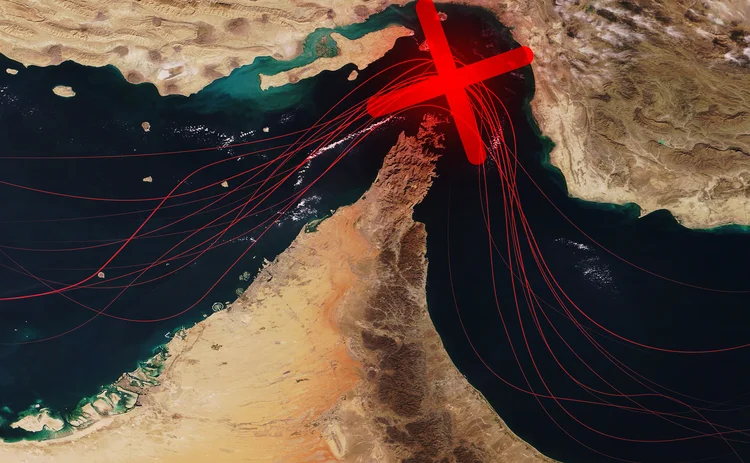
In October 2022, Germany faced an energy emergency. Prices for natural gas had more than doubled as the country cut Russian pipeline imports after the invasion of Ukraine. As prices at home rocketed, though, tankers waited offshore unable to offload. Germany lacked terminals able to receive and process liquefied natural gas (LNG).
Germany’s story illustrates how supply-chain bottlenecks can cause unexpected disruption. Risk.net wrote last year and again in recent days about how investors can
More on Risk management
CRO interview: Antoine Servais
MET Group's Antoine Servais discusses the impact of geopolitical risk on his workflow, his approach to volatility, and the challenges of leading risk management at a rapidly expanding organisation

Energy supply chain challenges prompt risk management rethink
As supply chain challenges grow, energy risk managers are taking a more dynamic and holistic approach to managing and anticipating supply chain risk, say Sapna Amlani and Stephen Golliker at Moody’s

Energy Risk Europe Leaders’ Network: the challenge of unpredictability
The European Leaders’ Network, sponsored by Engie, convened in London on June 29, 2026, and focused on the impact of geopolitical tension, price volatility and policy uncertainty on European energy markets.

Break down silos to manage geopolitics – risk managers
Risk Live: Experts says scenario planning helps identify who has information needed in a crisis

Treat AI models as would-be hackers, says quant
Risk Live: Models capable of “strategic deception” require different risk management, says former Risk.net quant of the year

AI autonomy may redefine risk management roles
Risk Live: Machine validation of autonomous processes may emerge “relatively soon”, EIF risk chief says

Managing extreme volatility in commodities
Persistent volatility requires a rethink of technology architecture, says Murex head of market risk practice

Commodity volatility prompts a rethink of risk frameworks
Commodity market volatility is exposing the cracks in firms’ risk management frameworks and policies