
Traders prepare for EU energy rules despite political risk
Exporter pressure on LNG supplies is threatening Europe’s regulatory push, leaving markets uncertain
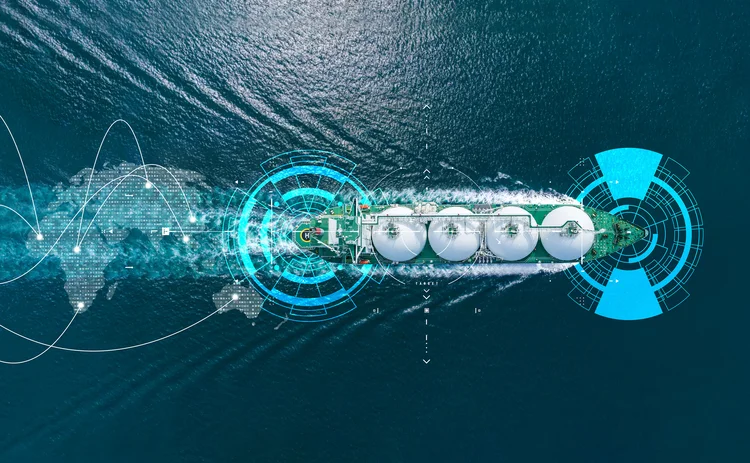
Energy traders say they are preparing for upcoming EU regulations, though they fear the rules may not come into force due to push-back from large exporters into the bloc.
Since Russia’s invasion of Ukraine in 2022, Europe has significantly reduced its reliance on Russian pipeline gas and has become more reliant on liquefied natural gas (LNG) imports from countries such as the US and Qatar.
However, in October, the US and Qatar wrote a joint letter to EU leaders threatening the LNG gas supply if the EU’s upcoming corporate sustainability due diligence directive (CSDDD) was not rolled back. The directive, which will come into effect in 2028, requires large EU and non-EU companies to identify and mitigate human rights abuses and environmental damage, with non-adherents receiving fines of up to 5% of the companies’ global turnover.
This regulatory uncertainty has left energy traders in a state of flux.
“We sense a lot of pressure from the US administration in particular, but also from Qatar in terms of regulation such as the EU methane regulation, CSDDD, and the carbon border adjustment mechanism,” said Domenico de Luca, head of business area trading and sales at Switzerland-based energy trading firm Axpo.
“We are getting ready for implementing in our operation those [regulations], but we are not sure whether they will be really put in force, because at this moment, honestly, Europe doesn’t have a lot of bargaining power, in my opinion and… in Europe we depend heavily on gas,” he added.
De Luca was speaking on a panel at the Energy Risk conference in London on November 25.
The European Commission agreed another round of sanctions against Russia on October 23, including a total ban on Russian LNG from 2027, leaving Europe more reliant on alternative LNG suppliers such as the US and Qatar.
At this moment, honestly, Europe doesn’t have a lot of bargaining power
Domenico de Luca, Axpo
The European Parliament already voted in favour of weakening the CSDDD on November 13, but trilogue negotiations between itself, the European Commission and the Council of the EU on the legislation are hoped to be finalised by the end of the year.
The EU’s methane regulation aims to lower emissions and limit leaks by energy producers active in the EU. It requires importers to provide information on where the fuel comes from, how it reached the EU, what monitoring and reporting systems were applied to the imported fuel, and whether leaks were routinely detected and repaired.
The regulation came into force on August 4 last year, but from 2027 it will become stricter, allowing new imports only from exporters that undergo the equivalent monitoring, reporting, and verification standards to those required of EU producers. Enforcement of the regulation as well as reporting falls to national competent authorities within the EU.
Unclear wording and detail in the regulation has already prevented importers from securing LNG contracts, said de Luca.
“As an importer, you don’t control the value chain. You need to rely on the gas producers. And since the regulation is not 100% clear, this basically blocks the closing of at least medium-term and long-term gas energy contracts, which is not good considering that Europe needs a lot of the stuff.”
Speaking later on the same panel, Robert McLeod, global head of energy risk solutions at US energy firm Hartree Partners, said the oil market was in significant oversupply, which would normally result in prices falling, but potential geopolitical risk is keeping prices elevated.
“Fundamentals are keeping us from going too high, but likewise, geopolitics is keeping us from going too low,” said McLeod. “So, I think it’s possible to spin a story for why crude should be $20 higher from here, and likewise $20 lower.”
To deal with this, he said, there has been a move towards flexible strategies, with clients being willing to pay a premium to protect themselves against the risk.
As an example, McLeod pointed to the previously illiquid market of crack options – the spread between refined products and crude oil – which has seen a significant increase in volumes as clients seek protection against volatility.
This story originally appeared on Energy Risk’s sister site, Risk.net.
Editing by Lukas Becker
More on Regulation
Esma sounds out industry for ways to cut reporting burden
Markets watchdog asks consultative groups for ideas to simplify reporting rules

Why EU banks have snubbed revised green finance metric
Banks steer clear of Banking Book Taxonomy Alignment Ratio in droves

Ruled out: can regulators settle the pre-hedging debate?
Market participants are at odds over the practice and whether regulation or principles can settle the score

First green asset ratios come in low as EU banks protest methodology
ABN Amro only bank to break double digits in a sample of 23 lenders

Commodities surge presents UMR test for Asia’s sell side
Increased interest in commodity exotics comes amid scrutiny of margin calculation models
Some see Esma reining in position limits after review
The scope of position limits could shrink to cover just the major benchmarks, one executive argues

Burden of implementing US sanctions now firmly on energy firms
Energy firms must now screen operations of every vessel they deal with, writes maritime data expert

Shipping and energy firms revisit hedging on IMO 2020
Upcoming shipping rules set to impact fuel prices across the energy complex
