The importance of trading to smart energy business models
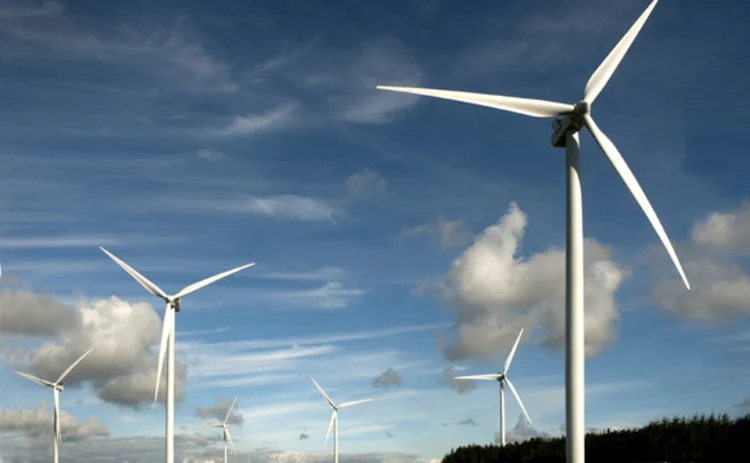
The enormous growth in intermittent and distributed ‘smart' generation assets is creating new commercial opportunities for European energy traders. Smart grid innovations, such as automatic bidirectional control and intelligent linking, enable the technical integration of large numbers of small-scale, distributed power generation, storage and consumption units. A key success factor for smart energy business models is expertise in energy trading and successfully integrating these distributed
More on Energy transition
Energy Risk Debates: Ercot’s RTC+B market design
Six months into this significant structural reform, the panellists talk about experiences so far
Deal of the year: ENGIE and Return’s virtual FPA
Energy Risk Awards 2026: Virtual battery portfolio deal provides a template for scaling battery storage across Europe

Environmental products house of the year: Marex
Energy Risk Awards 2026: Marex sees opportunity for environmental commodities in the latest energy crisis

Electricity house of the year: ENGIE
Energy Risk Awards 2026: ENGIE is doubling down on the energy transition, with a push into batteries and 24/7 carbon-free electricity

Newcomer of the year: Abaxx Exchange
Energy Risk Awards 2026: New exchange sets out to modernise commodity derivatives by aligning them to physical markets

Abaxx: meeting the need for new commodity derivatives
Abaxx revamps commodity hedging with a suite of modern contracts

Energy Risk Debates: risk management in the clean energy space
Panellists discuss the unique issues facing firms in renewables, clean energy and carbon markets
ENGIE’s Daronnat: pricing flexibility in the German battery market
Head of flexibility and structured origination in Germany discusses the role of FPAs and what risk teams must consider